
What is the camper community: guide for travelers in Chile 2026
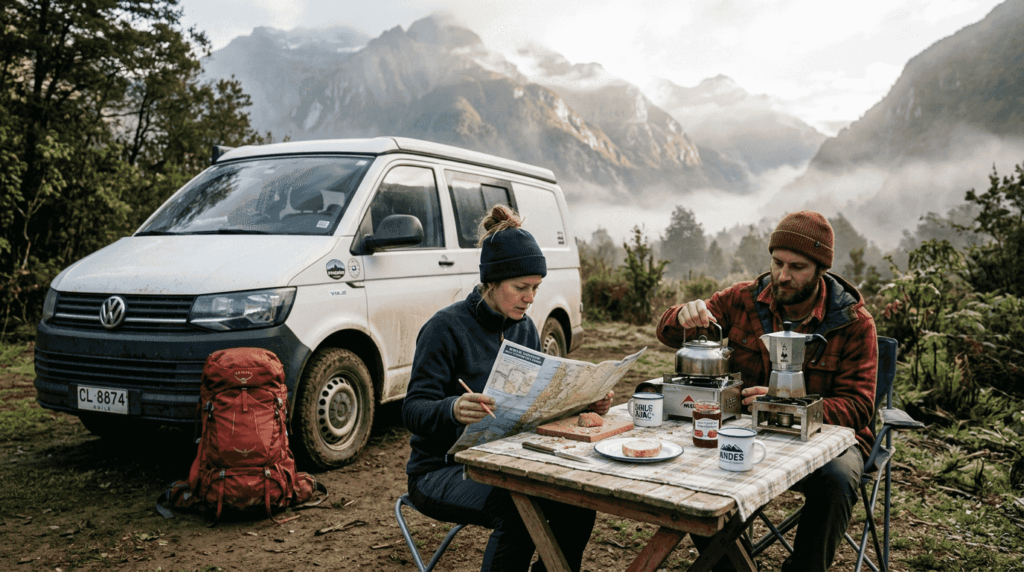
Thinking the camper community in Chile is just a group of friends camping together falls short. It’s an organized network of travelers who share values, experiences, and resources while exploring the country in recreational vehicles. This culture has grown significantly in recent years, becoming a collaborative movement that’s redefining adventure tourism. For those looking for authenticity and genuine connection on their trips, understanding this camper community opens the door to unique experiences.
Table of contents
- What the camper community is and where it comes from
- How a camper community is organized and operates
- The camper experience: benefits and sharing culture in Chile
- Types of camper vehicles and how to choose the right one for you
- Join the camper community with rollbnb
- Frequently asked questions about the camper community
Key takeaways
| Point | Details |
|---|---|
| Clear definition | The camper community is an organized network of travelers who use recreational vehicles to explore and share experiences based on mutual trust. |
| Sharing culture | Members practice active hospitality, sharing tips, tools, spaces, and local knowledge to enrich the collective experience. |
| Vehicle diversity | From mini campers to motorhomes, each vehicle offers different setups tailored to different needs and budgets. |
| Collaborative organization | Structured groups with defined roles organize meetups, shared routes, and events that strengthen bonds between members. |
| Tangible benefits | It offers flexibility, connection with nature, a sharing economy, and access to support networks across Chile’s geography. |
What the camper community is and where it comes from
The camper community represents much more than a group of people traveling in vehicles. It’s a social ecosystem where explorers share life philosophies centered on freedom, adventure, and respect for the natural environment. This idea of a camper community emerged from traveler movements that wanted to escape traditional tourism structures to create authentic experiences.
In Chile and South America, this phenomenon has solidified over the last two decades. Travelers discovered that sharing routes, tips, and resources significantly improved their adventures. The camper community originated from traveler movements that valued autonomy over traditional tourism.
The vehicles that make up this community are diverse:
- Motorhomes equipped with beds, kitchen, and storage
- Motorhomes with a full bathroom and more living space
- Campervans custom-adapted according to personal preferences
- Mini campers ideal for couples or solo travelers
Core values include freedom to design your own itineraries, sustainability through low-impact practices, and community where mutual support prevails over competition. This philosophy especially attracts those who reject more traditional tourism.
Pro tip: Researching the interior layouts of different campers before choosing can make the difference between a comfortable trip and a difficult one. Consider your real priorities: a larger kitchen, sleeping space, energy independence, or storage capacity.
How a camper community is organized and operates
Camper communities work through trust-based networks built through shared experiences. Groups form naturally when travelers with similar interests meet on routes, at campgrounds, or at events. Over time, these casual connections evolve into lasting relationships that make future trips easier.
Within these networks there are informal but recognized roles. Hosts offer space on private property to park, organizers coordinate large meetups in strategic locations, and veterans share knowledge about routes, mechanics, and local regulations.
Camper communities have their own methods for structuring group activities. Unwritten rules include respecting quiet hours, keeping shared spaces spotless, and contributing whatever you can—whether that’s firewood, information, or simply good company.
To illustrate the variety of activities, take a look at these formats:
| Format | Duration | Typical participants | Main focus |
|---|---|---|---|
| Casual meetup | 1–2 days | 5–15 campers | Socializing and sharing experiences |
| Coordinated route | 3–7 days | 8–20 vehicles | Exploring a specific region together |
| Themed camp | Weekend | 20–50 participants | Workshops, activities, and community building |
| Extended caravan | 2–4 weeks | 10–30 campers | Multi-destination journey with logistical support |
Typical steps to organize a meetup include:
- Suggest a date and destination in messaging groups
- Confirm attendees and coordinate staggered arrivals
- Set a meeting point with precise GPS coordinates
- Agree on individual contributions (food, shared fuel)
- Hold an initial meeting to assign responsibilities
- Carry out planned activities while staying flexible
The diversity of camper and motorhome types enriches these gatherings, as each vehicle brings unique capabilities. The camper community organization constantly adapts according to group needs.
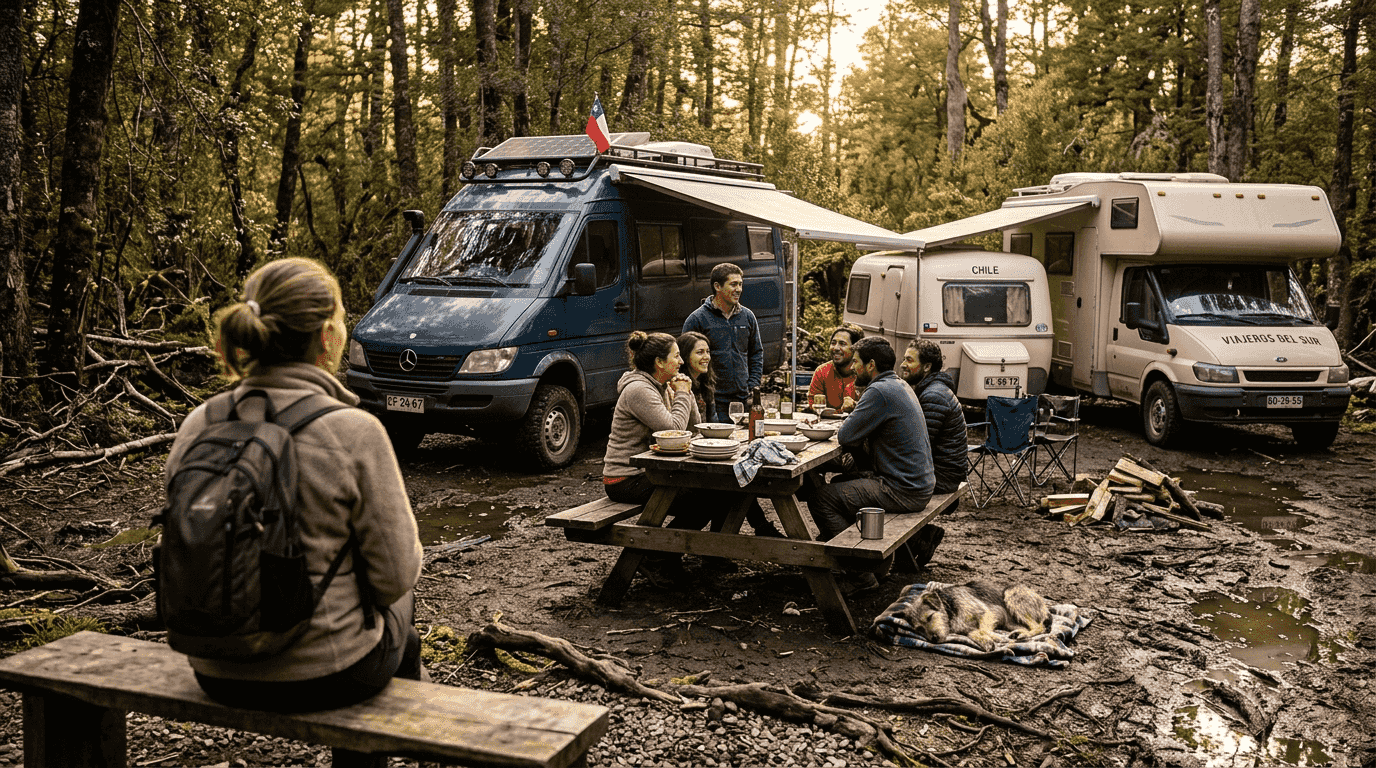
Pro tip: Joining your first organized meetup dramatically speeds up your learning curve. You’ll learn practical techniques no manual teaches—from leveling your vehicle on uneven ground to fixing mechanical issues with limited resources.
The camper experience: benefits and sharing culture in Chile
Traveling within the camper community offers advantages that go beyond saving money. The flexibility to change plans based on weather, unexpected discoveries, or other travelers’ recommendations turns every route into a personalized adventure. Direct connection with Chile’s natural landscapes—from northern deserts to Patagonian forests—creates experiences that are impossible from conventional hotels.
Concrete benefits include:
- Full control over schedules, destinations, and length of stays
- Access to remote places unreachable through traditional tourism
- A welcoming community that provides logistical and emotional support
- Significant savings on accommodation and restaurants
- Ongoing learning about mechanics, nature, and self-sufficiency
Sharing is at the heart of this culture. Hospitality and sharing resources strengthens bonds between members spread across the country. Sharing specialized tools prevents each traveler from investing in expensive gear used only occasionally. Tips on alternative routes, free campgrounds, or reliable mechanics are worth more than any commercial travel guide.
This model creates a positive impact on small local economies. Campers buy fuel, food, and services in towns that rarely see conventional tourists. The sharing economy expands when owners rent their vehicles to other adventurers, creating virtuous circles of shared income.
Everyday examples of collaboration include sharing parking space on private property, organizing group purchases of gas or food to cut costs, creating mobile libraries of maps and guides, and keeping digital groups updated with alerts about road conditions or changing regulations.
For new travelers, the essential advice is simple: respect local rules on wild camping, minimize your environmental footprint, and contribute actively by sharing what you know. Camper community hospitality works because each member contributes according to their abilities.
Types of camper vehicles and how to choose the right one for you
The variety of vehicles available can feel overwhelming for those new to this lifestyle. Each category offers specific features designed for different traveler profiles. The range of camper vehicles in Chile makes it possible to find options from compact to spacious.
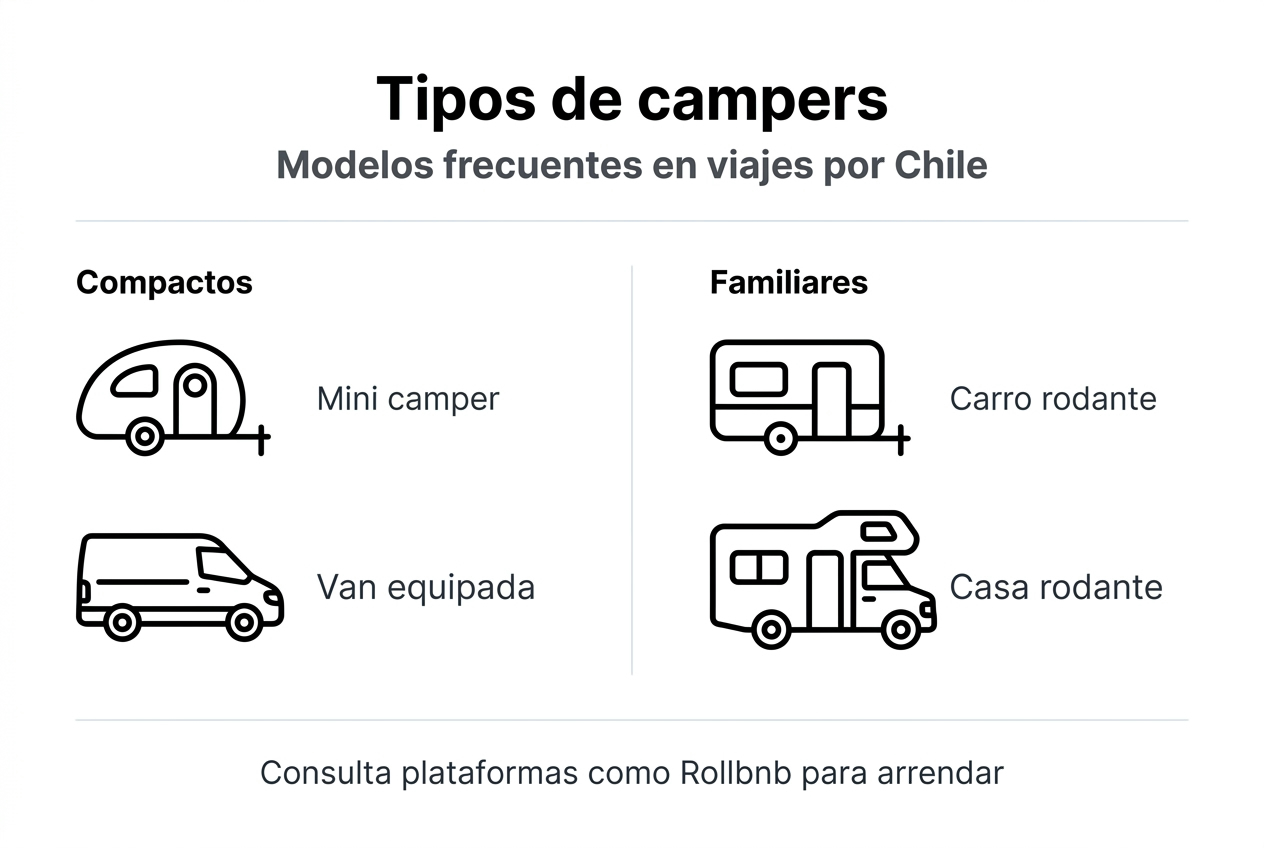
Detailed comparison of the main categories:
| Type | Approx. size | Amenities | Maneuverability | Approx. daily price range |
|---|---|---|---|---|
| Mini camper | 3-5 meters | Bed, portable stove | Very easy, similar to a car | $40,000 – $70,000 |
| Campervan | 5-6 meters | Fixed bed, kitchen, refrigerator | Easy, with slightly more size | $70,000 – $120,000 |
| Travel trailer | 5-7 meters | Chemical toilet, shower, heating | Medium, requires getting used to | $70,000 – $130,000 |
| Motorhome | 7-9 meters | Full bathroom, living area, large tanks | Easy but larger | $120,000 – $250,000 |
Recommended steps to choose your ideal vehicle:
- Define the real number of travelers and the typical length of your routes
- Set a total budget including rental, fuel, and maintenance
- Evaluate planned destinations: mountains require traction, the coast allows larger vehicles
- Consider driving experience: beginners should avoid large motorhomes
- Try different models with short rentals before making long-term commitments
- Check availability of parts and workshops for the chosen model
Ease of driving across Chile’s geography varies dramatically. Narrow Patagonian roads favor agile mini campers. Northern routes with long straight stretches allow comfortable motorhomes. Maintenance also differs: simpler vehicles have fewer failure points, while complex equipment offers greater comfort but requires technical expertise.
The types of camper vehicles available on specialized platforms make it easy to experiment without a huge upfront investment. Exploring motorhome Chile options lets you compare real features before deciding.
Pro tip: Renting three or four different setups over a year saves you from costly mistakes. Many first-time buyers realize too late they prioritized the wrong features and end up with vehicles that don’t fit their real travel style.
Join the camper community with rollbnb
Now that you understand what the camper community is and how it works, the next logical step is to experience it firsthand. Rollbnb operates as Chile and South America’s most complete campervan sharing portal, connecting travelers with recreational vehicle owners.
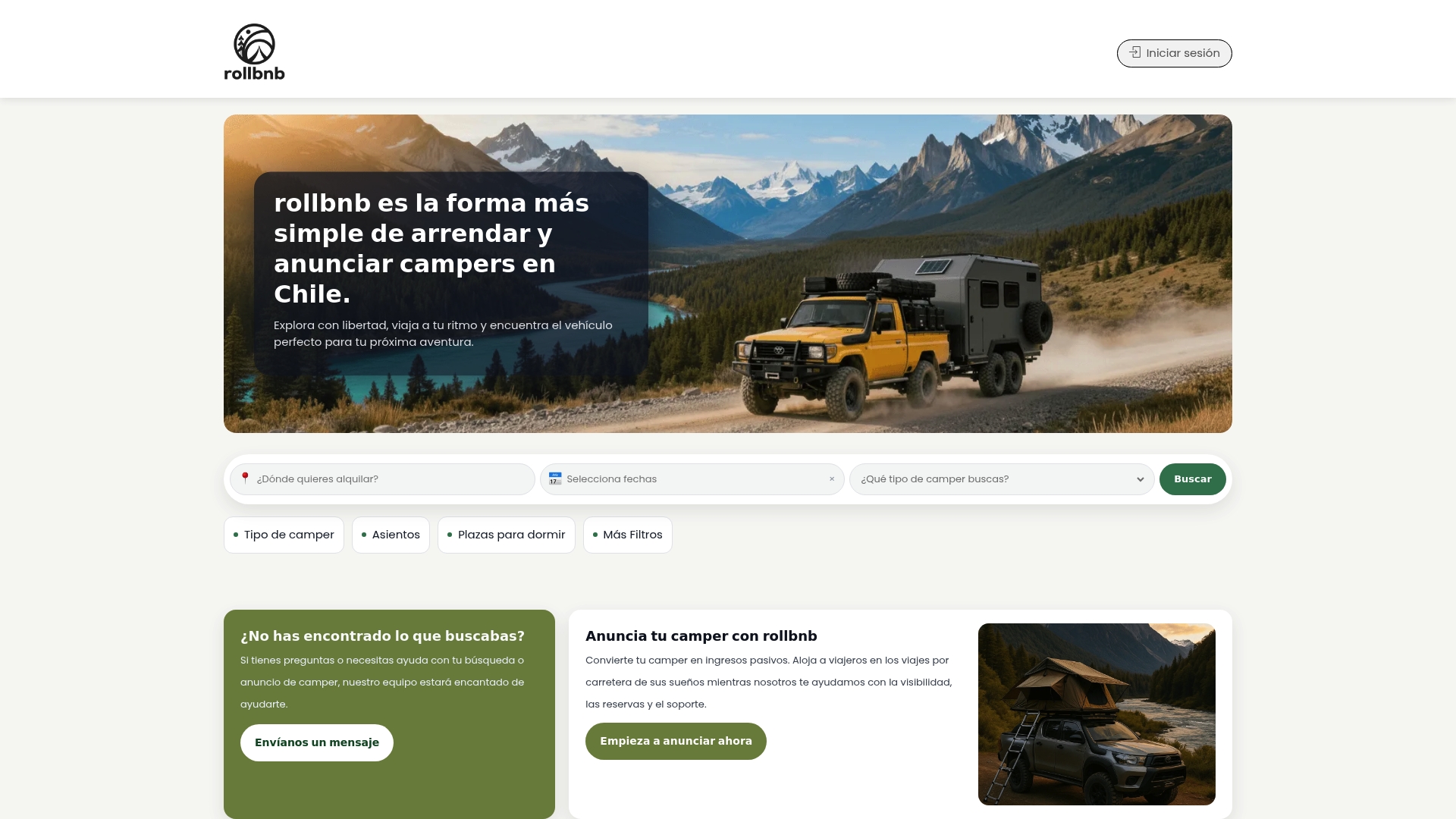
The camper rental platform makes it easy to find a variety of options based on your specific needs: filters by capacity, amenities, location, and budget help you find the perfect vehicle in minutes. Each listing includes detailed descriptions, real photos, and direct messaging with owners.
Beyond rentals, Rollbnb helps create genuine connections within the community. Experienced owners share tips on routes, campgrounds, and vehicle prep. Renting a camper in Chile through this platform immediately brings you into the mutual-support networks that define this culture.
Starting your camper adventure has never been so accessible. Book your first vehicle, plan a route, and discover why thousands of travelers have already chosen this way to explore Chile.
Frequently asked questions about the camper community
What types of vehicles are part of the camper community?
The community includes mini campers, equipped campervans, custom-adapted vans, motorhomes, full travel trailers, and rooftop tents. Each type offers different levels of comfort and autonomy according to traveler needs. What matters is not the specific vehicle but the shared travel philosophy.
How can I take part in a camper community in Chile?
Look for social media groups dedicated to camper travelers, attend organized meetups at popular campgrounds, or rent a vehicle through specialized platforms. Active participation and respect for community norms help you integrate naturally. Sharing your own experiences and learnings strengthens your membership.
What are the basic rules within a camper community?
Respecting nighttime quiet hours, keeping shared spaces spotless, and following Leave No Trace principles are essential. It’s also valued to contribute according to your abilities—whether by sharing knowledge, tools, or simply a positive attitude. Reciprocity sustains these communities.
What are the advantages of traveling with a camper in Chile?
Total flexibility with itineraries, access to remote destinations unreachable through traditional tourism, and significant savings on accommodation. Plus, direct connection with Chile’s natural landscapes and belonging to mutual-support networks enrich every trip. The freedom to change plans based on unexpected discoveries turns each route into a unique adventure.
How is a meetup or route organized among members of the camper community?
Usually through messaging groups where someone suggests a destination and date. Interested people confirm attendance, coordinate arrivals, and set a meeting point with GPS. During the event, responsibilities are shared informally and flexibility is kept for spontaneous activities. Minimal planning allows you to adapt to real conditions and group preferences.