
Advantages of Traveling by Camper in Chile 2026
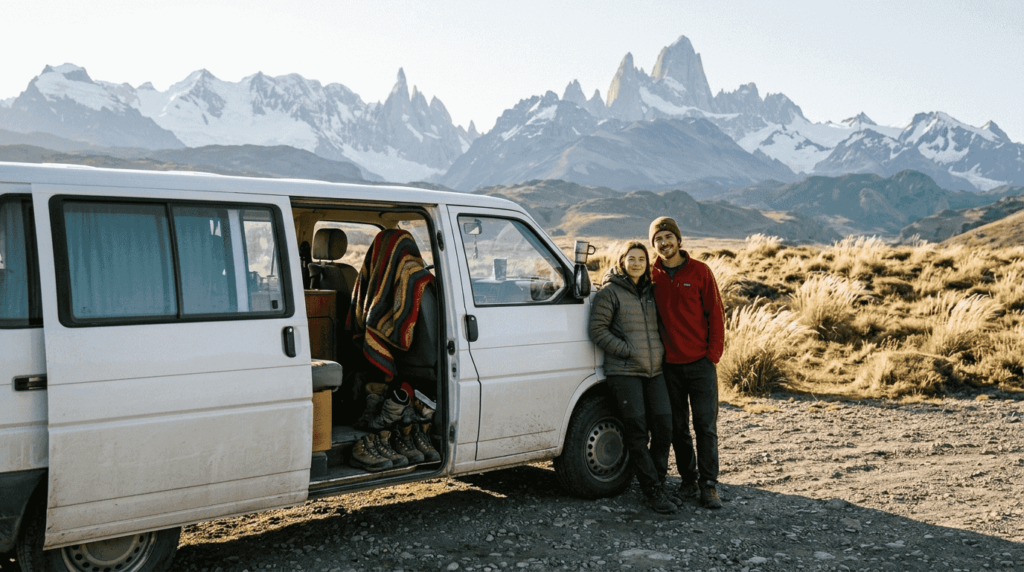
Planning a trip through Chile involves choosing between multiple accommodation and transport options. Many adventurous travelers seek flexibility, direct contact with nature, and autonomy during their journeys. Traveling by camper emerges as an alternative that combines mobility, comfort, and access to remote landscapes. This article explores the main advantages of this travel style, criteria for choosing it, and practical tips to make the most of the experience in Chilean territory.
Table of Contents
- Key Advantages of Traveling by Camper in Chile
- Criteria for Choosing to Travel by Camper in Chile
- Main Advantages of Traveling by Camper
- Comparison Between Traveling by Camper and Other Accommodation Options
- Tips for Making the Most of Your Camper Trip Through Chile
- Meet Rollbnb: Your Portal for Camper Travel in Chile
- What should I consider before traveling by camper in Chile?
- What are the best areas to explore by camper in Chile?
- How to plan a safe and comfortable camper trip?
Key Advantages of Traveling by Camper in Chile
| Point | Details |
|---|---|
| Itinerary Flexibility | Modify routes based on weather, interests, and spontaneous discoveries without time restrictions. |
| Savings on Accommodation and Food | Eliminate hotel and restaurant costs by cooking and sleeping in the vehicle. |
| Access to Remote Locations | Reach national parks, isolated beaches, and mountains without relying on tourist infrastructure. |
| Personalized Comfort | Bring your private space with you, with a bed, kitchen, and storage adapted to your needs. |
| Authentic Experiences | Wake up to lakes, volcanoes, and forests, experiencing nature directly. |
Criteria for Choosing to Travel by Camper in Chile
Selecting camper travel requires evaluating your trip priorities. If you value the freedom to change plans on the fly, this option stands out. Hotels impose check-in and check-out times, while a camper allows you to stop wherever the landscape surprises you or fatigue demands it. This unique flexibility for adaptable itineraries is especially valuable in a country with diverse geography and variable climate.
Direct contact with untouched nature is another fundamental criterion. Chile offers everything from arid deserts to Patagonian glaciers, and many of these treasures are far from urban centers. A camper brings you closer to nature reserves, remote viewpoints, and pristine beaches without sacrificing basic comfort. You can wake up in an Andean valley and dine in front of the Pacific Ocean on the same day.
Autonomy in food and rest makes a significant difference. You prepare meals according to your dietary preferences, avoid waiting in restaurants, and control your budget. The Chilean climate varies drastically between regions and seasons, from the heat of the north to the rains of the south. A well-equipped camper protects you from these changes while maintaining mobility.
Pro tip: Before deciding, evaluate the trip duration and the number of travelers. Short weekend trips or multi-week expeditions both benefit from a camper, but the vehicle size should be adjusted to the group.
Essential criteria to consider:
- Trip duration and distances to cover
- Number of travelers and space needs
- Available budget for rental and fuel
- Previous experience driving large vehicles
- Interest in exploring areas without hotel infrastructure
For those seeking authentic adventures, knowing how to rent a campervan simplifies the initial process. The key is to align your expectations with the actual capabilities of the vehicle and the conditions of Chilean routes.
Main Advantages of Traveling by Camper
Economic savings are a tangible advantage. Eliminating hotel nights and restaurant meals significantly reduces the total cost of the trip. A family of four can save up to 70% on accommodation during a week compared to mid-range hotels. This saving on accommodation and meals frees up budget for activities, excursions, or extending the trip duration.
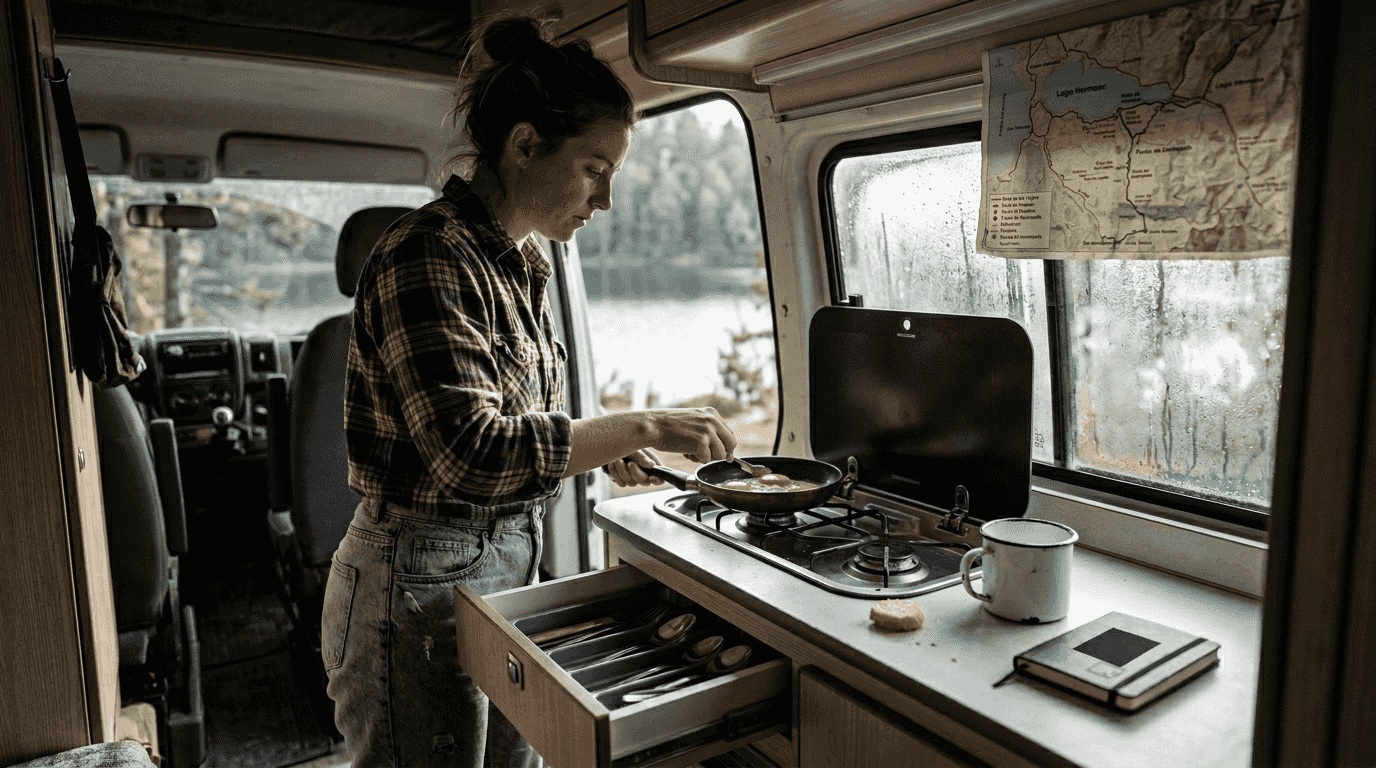
The freedom to stop anywhere in nature transforms the experience. You see a crystal-clear lake by the roadside, park, and spend the afternoon swimming or fishing. You find a spectacular viewpoint at sunset, stay overnight, and wake up to privileged views. This spontaneity is impossible with fixed hotel reservations.
Bringing your home with you offers incomparable comfort. Your clothes, camping gear, provisions, and personal items are always at hand. You don’t need to pack and unpack every day, nor adapt to varying standards of cleanliness or hotel equipment. The space is yours, organized according to your preferences.
Privacy and security significantly increase. You avoid sharing common spaces with strangers, reduce exposure to theft in hotel rooms, and control who accesses your environment. Families with young children especially value being able to maintain sleep and eating routines without external interruptions.
Pro tip: Maximize savings by cooking simple dishes that require few fresh ingredients. Pasta, rice, canned goods, and dry products are ideal for long trips.
Key camper advantages:
- Drastic reduction in daily operating costs
- Ability to improvise routes based on discoveries
- Total independence from commercial schedules
- Family-friendly and controlled environment for children
- Possibility of bringing pets without restrictions
Exploring camper rental options allows you to compare models based on capacity, equipment, and price. The combination of savings, freedom, and comfort makes a camper a superior option for those who prioritize experiences over conventional luxuries.
Comparison Between Traveling by Camper and Other Accommodation Options
Comparing accommodation types helps in making informed decisions. The following table contrasts key aspects:
| Aspect | Camper | Hotel | Hostel |
| — | — | — |
| Cost per night | $30,000 – $60,000 (daily rental) | $50,000 – $150,000 | $15,000 – $40,000 |
| Location flexibility | Total, any permitted place | Limited to urban areas | Limited to tourist routes |
| Privacy | Maximum, own space | High in private room | Low in shared dorms |
| Access to nature | Direct, no intermediaries | Requires additional transport | Requires organized tours |
| Equipment included | Kitchen, bed, storage | Only bed and bathroom | Basic bed, shared bathroom |
Itinerary flexibility represents the most marked difference. A camper frees you from advance bookings, allowing you to extend stays in places you love or move quickly if the weather worsens. Hotels and hostels require prior planning, especially during high season, limiting spontaneity.
This simultaneous mobility and comfort offered by a camper has no equivalent in fixed accommodations. You can be at the beach at noon and in the mountains at night, without packing suitcases or looking for new reservations.
Environmental impact varies with use. A camper consumes fuel, but eliminates the footprint of hotel construction and operation. Traveling responsibly, respecting protected areas and using resources moderately, minimizes impact. Hotels generate constant waste and consume energy to maintain large facilities.
The cost comparison favors the camper for trips longer than three days. The daily rental is quickly offset by eliminating multiple hotel nights and meals out. For short trips of one or two nights, hostels may be more economical, but you sacrifice the unique experience of waking up in pristine nature.
Pro tip: If you’re traveling alone or as a couple, consider compact campervans that consume less fuel and are easier to maneuver on narrow roads.
Exploring the list of available vans allows you to identify the ideal vehicle according to your budget and needs. The final decision depends on your priorities: if you value freedom and nature, a camper far surpasses traditional options.
Tips for Making the Most of Your Camper Trip Through Chile
Maximizing the experience requires strategic planning and adequate preparation. Follow these steps:
-
Research routes and authorized overnight parking spots before departing. Chile has specific regulations on where to camp, especially in national parks and reserves. Consult official CONAF and municipal websites to avoid fines.
-
Thoroughly check the mechanical condition of the camper before leaving. Verify tires, brakes, lights, electrical system, and water supply. A vehicle in poor condition can ruin the trip and generate unexpected expenses.
-
Equip the camper with essential items for cooking and camping. Include utensils, pots, plates, extra sleeping bags, flashlights, a first-aid kit, and basic tools. Self-sufficiency is key in remote areas.
-
Strictly respect environmental and safety regulations. Do not leave trash, use campfires only in permitted areas, respect wildlife, and keep a distance from animals. Chile rigorously protects its ecosystems.
-
Constantly monitor weather conditions and road status. Patagonian weather can change in hours, and gravel roads can become impassable with rain. Weather apps and traveler groups on social media are valuable resources.
Pro tip: Always carry extra drinking water and reserve fuel. Many scenic routes have service stations separated by more than 200 kilometers.
This route planning and adequate preparation make the difference between a memorable trip and a frustrating experience. The key is to balance flexibility with responsibility, allowing for spontaneous adventures without compromising safety.
Additional aspects to consider:
- Download offline maps for areas without cell coverage
- Learn basic mechanics to solve minor problems
- Communicate your itinerary to family or friends
- Purchase insurance that covers the vehicle and occupants
- Respect quiet hours in shared campsites
Knowing options like camper trailer helps you select the most suitable vehicle for the routes you plan to travel. Thorough preparation and a respectful attitude guarantee unforgettable experiences in Chile’s most impressive landscapes.
Meet Rollbnb: Your Portal for Camper Travel in Chile
After exploring the advantages and practical tips, the question arises: where to find the ideal camper for your adventure? Rollbnb is the leading campervan sharing portal in Chile, connecting travelers with RV owners.
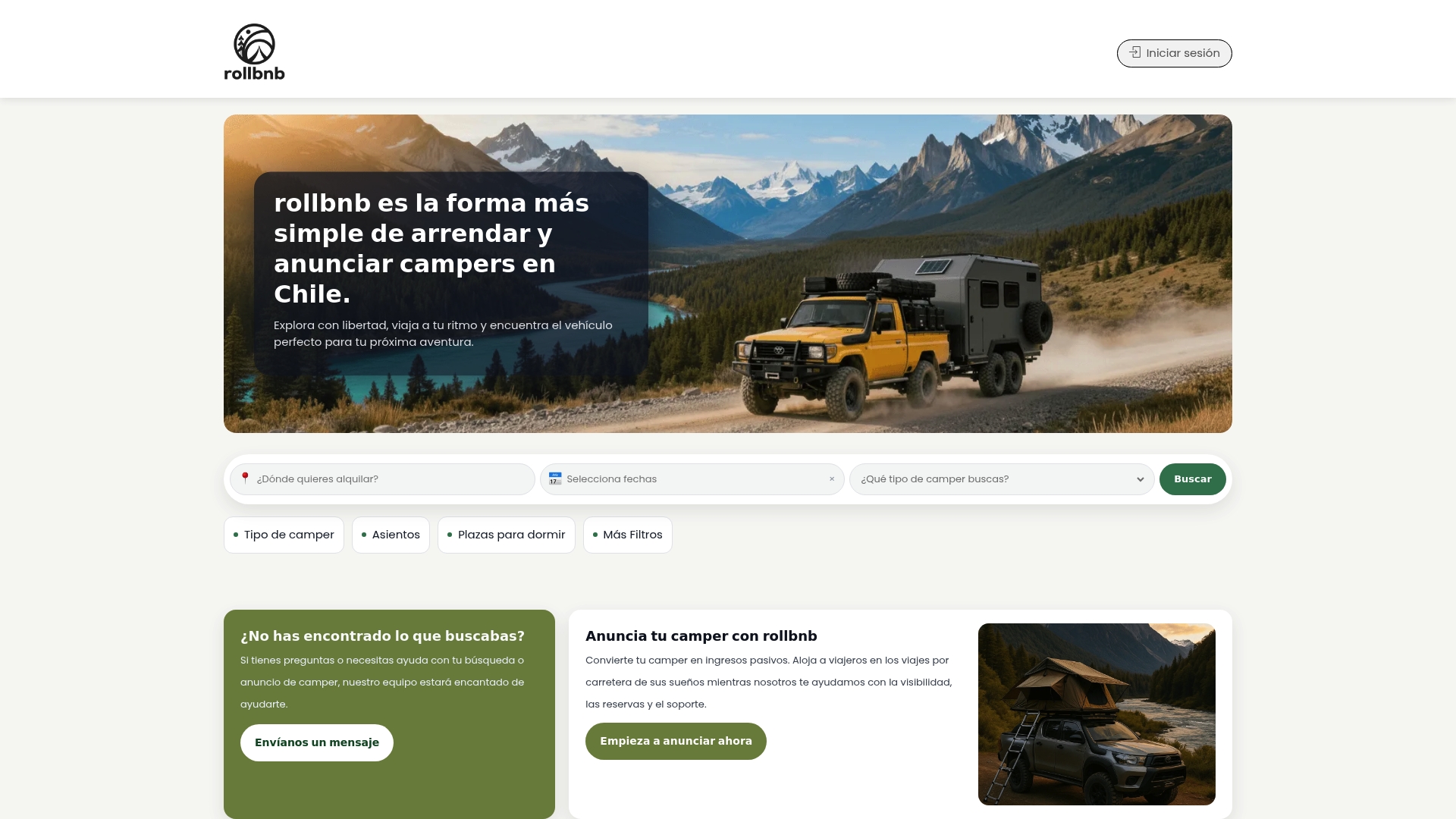
The camper rental platform facilitates searching and booking with filters for capacity, location, and equipment. You’ll find everything from compact vans for couples to fully equipped family motorhomes. Each listing includes detailed photos, technical specifications, and reviews from previous travelers.
Rollbnb prioritizes safety and transparency. Owners verify identity, vehicles meet maintenance standards, and the messaging system allows you to resolve doubts before confirming. You can explore camper rental options adapted to your budget and specific needs, planning flexible trips that maximize your experience in Chilean nature.
What should I consider before traveling by camper in Chile?
Do I need special permits to stay overnight in a camper?
In Chile, staying overnight in a camper requires respecting local regulations. National parks and reserves have designated camping areas that you must book in advance. Camping outside authorized areas can result in significant fines. Always consult with CONAF or municipal administrations before parking to sleep.
What equipment is essential for safety on remote routes?
Carry a complete first-aid kit, fire extinguisher, emergency triangles, powerful flashlight, basic tools, and spare parts like fuses and belts. Include snow chains if traveling to mountain areas in winter. Extra drinking water, non-perishable food, and thermal blankets are essential for emergencies. A satellite phone or emergency radio can save lives in areas without coverage.
How do I choose the right camper based on my group size?
For couples, a compact 2 to 3-berth campervan is sufficient and more economical. Families of 4 to 5 people need motorhomes with expanded capacity and generous storage space. Larger groups should consider two vehicles or RV-type models. Also evaluate the amount of luggage and sports equipment you will carry. Knowing how to rent a campervan guides you in this selection.
What are the general expected costs for a one-week trip?
Camper rental: $210,000 to $420,000 per week. Fuel: $80,000 to $150,000 depending on distances. Food: $30,000 to $50,000 per person. Park entrance fees: $15,000 to $30,000 total. Authorized campsites: $5,000 to $15,000 per night. Approximate total for two people: $400,000 to $700,000, significantly less than equivalent hotels and restaurants.
What are the best areas to explore by camper in Chile?
Why is Patagonia ideal for camper trips?
Chilean Patagonia offers epic landscapes of glaciers, fjords, and mountains that are inaccessible without your own vehicle. Routes like the Carretera Austral require total autonomy, as services are hundreds of kilometers apart. A camper allows you to explore Torres del Paine, Laguna San Rafael, and Villa O’Higgins at your own pace, camping at incomparable natural viewpoints.
What makes the Los Lagos Region special for campers?
This region combines crystal-clear lakes, active volcanoes, and temperate forests within short distances. You can visit Pucón, Puerto Varas, and Chiloé in a week, enjoying natural hot springs, volcanic beaches, and local gastronomy. The road infrastructure is excellent, and there are numerous equipped campsites. The climate is variable, but a camper protects you from sudden rains while you explore.
Is the Atacama Desert recommended for camper trips?
Absolutely. Atacama offers unique Martian landscapes: geysers, high-altitude lagoons, salt flats, and lunar valleys. The starry nights are the clearest on the planet. A camper allows you to wake up early to see geysers at dawn without relying on group tours. Consider that nighttime temperatures drop drastically, so ensure adequate thermal insulation. Explore the list of vans prepared for extreme conditions.
What does the Route of the Seven Lakes offer adventurers?
This route connects Andean lakes with spectacular panoramic views, ideal for leisurely trips of 3 to 5 days. You can fish, kayak, and hike without straying far from the vehicle. The campsites are accessible and well-maintained. The route is perfect for families or those looking to get into camper travel without extreme technical challenges.
How to plan a safe and comfortable camper trip?
How far in advance should I book the camper?
During high season (December to March), book 2 to 3 months in advance to ensure availability and better prices. Low season allows bookings 3 to 4 weeks prior. Special events like New Year’s or Fiestas Patrias require even earlier planning. Booking early also gives you time to coordinate routes and necessary permits.
What maintenance aspects should I personally check?
Personally check oil levels, brake fluid, and coolant. Inspect tires for irregular wear or low pressure. Test headlights, taillights, and turn signals. Verify the functioning of the kitchen, refrigerator, and electrical system. Make sure water tanks are full and the chemical toilet is clean. Take photos of the exterior to document the initial condition.
How do I consider routes based on climatic seasons?
Winter (June to August) limits access to mountain areas due to snow, but the north and central coast are ideal. Spring (September to November) offers desert flowers and moderate temperatures throughout the country. Summer (December to February) is perfect for Patagonia, though very crowded. Autumn (March to May) provides spectacular colors in the south and fewer tourists. Consult camper trip planning for specific seasonal routes.
What basic provisions should never be missing?
Drinking water (minimum 20 liters in reserve), non-perishable food (rice, pasta, canned goods), extra gas for cooking, toilet paper, trash bags, biodegradable soap, waterproof matches, and salt. Include energetic snacks for emergencies and coffee or tea for cold mornings. A cooler with ice keeps dairy and meats fresh for several days.
How do I respect local camping regulations without complications?
Research specific regulations for each region before traveling. Download apps like iOverlander that map legal campsites and prohibited areas. In national parks, only camp in designated sites and pay corresponding fees. Respect quiet hours (generally 11:00 PM to 7:00 AM). Do not make campfires outside authorized fire pits and take all your trash with you. Courtesy with other campers and park rangers facilitates positive experiences for everyone.